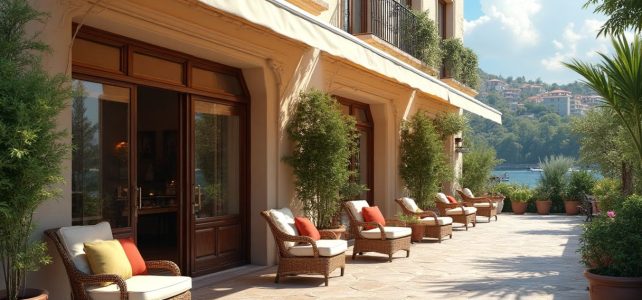
An outdoor space can be much more than just an extension of your home. Imagine a place where you can enjoy the fresh air while being protected from the scorching rays of the sun: a spot where comfort meets style. This is where the awning comes into play. Combining functionality and aesthetics, it becomes an essential ally in transforming your terrace or balcony into a true haven of peace. With its sleek lines and a variety of colors, it adapts to all tastes and configurations. But beyond its appearance, it offers top-notch sun protection, regulating temperature and safeguarding your outdoor furniture from the elements.
The different types of awnings
The awning market is filled with a variety of choices, each with its own specific characteristics and advantages. Learn to identify the one that best meets your needs and lifestyle.
Further reading : How to Boost Your Business Growth with Innovative B2B Solutions
- Monobloc awning: Ideal for small spaces, it consists of a single structure where all elements are fixed. Its simplicity of installation and attractive cost make it a popular choice.
- Box awning: This model protects the fabric and mechanism when retracted, ensuring increased durability. It is perfect for those seeking maximum protection and a sleek aesthetic.
- Semi-box awning: A compromise between the two previous types, offering partial protection while remaining accessible in terms of cost.
- Motorized awning: For unparalleled user comfort, it opens and closes with the help of a remote control or switch, making the user experience smooth and modern.
Materials and colors: a decisive choice
The materials and colors of the awning play an essential role in the harmonious integration of this accessory into your outdoor space. The decision goes beyond aesthetics, also influencing durability and maintenance.
The fabric of the awning can be made from materials such as acrylic, known for its UV and weather resistance, or polyester, valued for its lightweight and affordable cost. In terms of colors, neutral tones like beige or gray easily match your facade, while brighter shades can add a dynamic and personal touch.
Read also : Create a Warm and Welcoming Atmosphere in Your Home with Alternative Options
Installation and maintenance: ensuring longevity and performance
A well-installed and maintained awning can provide you with years of flawless service. Installation often requires the intervention of professionals, ensuring secure and optimal mounting for your type of wall and structure.
- Hire a certified installer to avoid issues related to safety and efficiency.
- During maintenance, remember to regularly clean the fabric with soapy water to preserve its colors and resistance.
- In winter, consider storing your awning or protecting it with an appropriate cover to extend its lifespan.
Advantages and disadvantages: weighing the pros and cons
Before embarking on the purchase of an awning, it is wise to understand the various advantages and disadvantages associated with this structure in order to make an informed choice.
The advantages are numerous: protection from the sun, reduction of indoor heat, energy savings due to less use of air conditioning, and increased value of your property.
However, some disadvantages may arise, such as the high initial cost for premium models or the need for regular maintenance to maintain its appearance and efficiency.