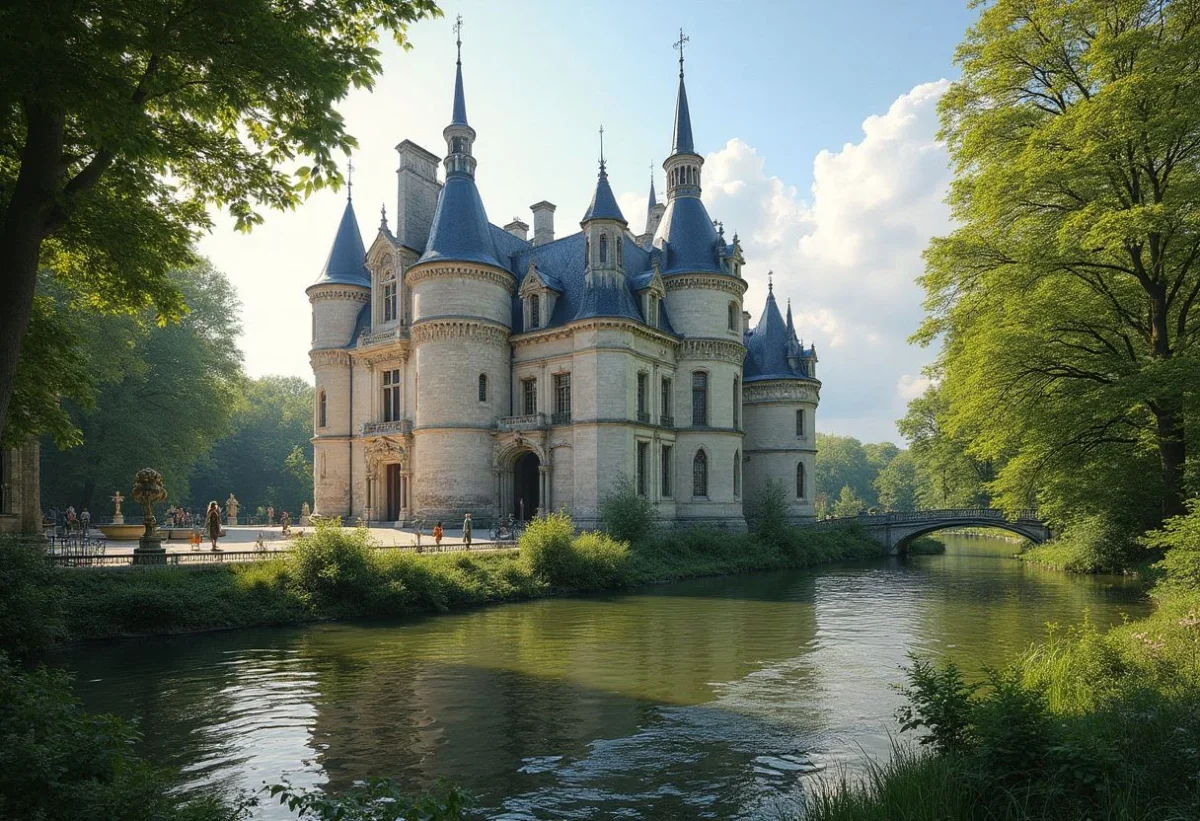
Heritage, a concept as ancient as civilizations themselves, embodies a precious link between the past and the present. It manifests as a mosaic of cultural, historical, and economic expressions. At a time when societies are evolving rapidly, the way heritage is perceived, preserved, and transmitted is undergoing a notable transformation. This topic is all the more fascinating as it reflects the diversity and richness of cultures while raising essential questions about our collective identity.
Cultural heritage: a living legacy
Cultural heritage is at the heart of our individual and collective identities. As a reflection of our history, it plays a fundamental role in understanding our origins and our evolution as a society.
- Monuments and historical sites: ancient buildings, archaeological sites, and emblematic monuments are silent witnesses of our past. They tell stories and legends, raising questions about how they should be preserved for future generations.
- Timeless traditions: in a constantly changing world, oral traditions, customs, and rituals remain a precious anchor for many communities. They are the beating heart of cultural life, testifying to the richness of human diversity.
Economic heritage: between memory and innovation
The economic dimension of heritage, often underestimated, is of vital importance in the sustainable development of territories. It prompts reflection on how heritage can be valued to stimulate the local and national economy.
Preserving heritage represents a tremendous economic opportunity. Historical sites attract millions of visitors each year, generating substantial revenue for the tourism industry. Moreover, the rehabilitation of old buildings can revitalize urban centers, thereby encouraging investment and job creation. Heritage is not just a financial burden; it can be a driver of prosperity when managed effectively and sustainably. The innovative approach to heritage management, illustrated by the concept of patrimy, transforms challenges into sustainable economic and cultural benefits.
Digital heritage: towards a connected future
In the digital age, heritage is reinventing itself, adapting and enriching itself with new dimensions. Digitization opens up unprecedented perspectives for the conservation and dissemination of cultural wealth.
- Digitization of collections: museums and libraries around the world are turning to digitization to make their collections accessible to a global audience. This approach democratizes access to knowledge while preserving original works from the wear of time.
- Virtual and augmented reality: these revolutionary technologies allow for virtual visits to monuments, reliving historical events, or diving into lost worlds. They offer an immersive experience that is both educational and captivating.
Challenges and opportunities in heritage preservation
Preserving heritage is a significant challenge that requires constant attention and innovative strategies to overcome the obstacles posed by modernity and climate change.
Heritage, whether tangible or intangible, faces imminent threats. Armed conflicts, natural disasters, and rampant urbanization put invaluable treasures at risk. Yet, these challenges are also catalysts for change. New collaborative approaches between governments, international organizations, and local communities promote the establishment of effective conservation projects. Education and awareness also play a key role in encouraging collective awareness of the importance of protecting our common heritage.
Heritage continues to fascinate and inspire. As a constant reminder of our past, it offers us a mirror of our identity and our future aspirations. It is essential to preserve and value it, not only for present generations but also for those to come. Through prudent management and an inclusive approach, this heritage can become a pillar of sustainable development, uniting peoples around shared values and a common history.