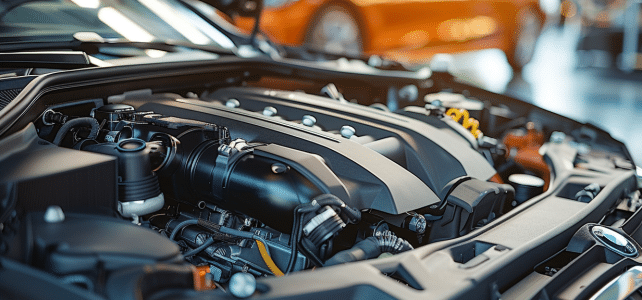
The BMW 3 Series, a symbol of elegance and performance, captivates as much with its design as with its driving experience. However, like any vehicle, it is not free from mechanical and technical issues. Owners of this range may encounter various recurring problems, ranging from electronic failures to engine malfunctions.
These inconveniences, although frustrating, can be resolved with a good understanding of the symptoms and appropriate solutions. By quickly identifying signs of failure and consulting qualified professionals, it is possible to keep the 3 Series in perfect working order, ensuring a smooth and enjoyable driving experience.
Read also : Montpellier School of Art: A Gem of Creativity and Innovation
Common Mechanical and Electrical Problems of BMW 3 Series
Owners of the BMW 3 Series GT may face various technical issues. Among these, engine problems are common and require thorough diagnostics. Engine overheating, for example, can be caused by a cooling fan failure, a stuck thermostat, or a coolant leak. Fuel injection malfunctions lead to poor performance and excessive fuel consumption, while turbocharger issues can cause a decrease in engine power.
You may also like : Common Minecraft Problem Solving: Techniques and Helpful Tips
- Engine problems: overheating, fuel injection, turbocharger
- Electrical problems: alternator, battery, wiring system
- Braking problems: brake pads, ABS, brake booster
- Transmission problems: torque converter, transmission control module (TCM)
- Suspension problems: stabilizer bars, shock absorbers, suspension springs
- Air conditioning problems: compressor, refrigerant gas, cooling fan, electronic system
Electrical problems often manifest as malfunctions of the alternator, battery, or wiring system. An aging or defective battery can cause various electrical issues. Failures of brake pads, ABS, or brake booster are also common concerns, directly affecting vehicle safety.
For transmission issues, problems may arise from the torque converter or the transmission control module (TCM). Stabilizer bars, shock absorbers, and suspension springs are often responsible for suspension problems, leading to premature tire wear or instability during braking.
The air conditioning system is not without its troubles. A faulty compressor, a refrigerant gas leak, or a defective cooling fan can impair driving comfort. For each problem, the list of BMW 3 Series warning lights is a valuable tool for quickly identifying failures and taking necessary measures.

Solutions and Recommendations for the BMW 3 Series
To resolve common engine problems, a complete diagnosis is necessary. Engine overheating, caused by a cooling fan failure or a stuck thermostat, often requires the replacement of defective parts. In case of fuel injection malfunction, check and clean the injectors. Turbocharger issues can be resolved by servicing or replacing the turbocharger.
Electrical problems can often be attributed to failures of the alternator, battery, or wiring system. To avoid these issues, perform regular checks of the battery and alternator, and replace worn or damaged cables. Replacing worn brake pads, checking the ABS, and maintaining the brake booster are essential for ensuring effective braking.
Transmission and Suspension Maintenance
For transmission problems, regular maintenance of the torque converter and the transmission control module (TCM) is fundamental. Stabilizer bars, shock absorbers, and suspension springs should be inspected and replaced if necessary to maintain stability and avoid premature tire wear.
- Regular inspection of stabilizer bars
- Maintenance of shock absorbers and suspension springs
- Servicing of the torque converter
- Replacement of the transmission control module if defective
For air conditioning problems, check the air conditioning compressor, refrigerant gas, and cooling fan. A faulty electronic air conditioning system requires specialized intervention to avoid prolonged breakdowns.