
In France, the sale of licorice faced occasional restrictions at the beginning of the 20th century, due to its dubious reputation as an addictive product. At the same time, many candy stars of the 1970s proudly showcased colorings that have since disappeared from recipes, elevating these treats to the status of symbols, while creating chaos in grocery aisles.
The revival of the market has led to the resurgence of forgotten brands, riding the wave of nostalgia that now appeals to both older kids and younger ones. However, some original recipes remain an illusion: between regulatory changes and the banning of controversial ingredients, yesterday’s taste is not so easily found in today’s bags.
Further reading : Luxury Jewelry Trends: How to Choose the Perfect Piece?
Why do old-fashioned candies continue to fascinate all generations?
It is impossible for retro candy to fade away: it revives childhood with every bite. Each flavor, each shape, rekindles memories unknown to smartphones and social networks. The industry, jealous of its history, often relies on family-run companies like Haribo, which have endured the century without letting go. Besides, who has never hummed “Haribo c’est beau la vie, for the big and the small”? This slogan has crossed households, and the family still holds the reins of the business.
Gold Bears, Dragibus, Tagada Strawberries, Marshmallows: these names slip into conversations among children as well as adults. In the face of changing tastes and consumption patterns, the candy industry adapts:
See also : The best platforms to watch anime streaming in 2021
- gelatin-free candies designed for vegetarians,
- recipes with xylitol,
- custom-made variants,
while remaining true to their origins. It is no longer just a personal memory; it is a bridge between generations, as sharing a bag brings back images of the past into today’s daily life.
Childhood hinges on little things. It takes just a earthworm candy sneaked on the way to school, a berlingot picked at a birthday party, or a caramel cleverly snatched to revive a flood of memories. Current research is not about new products, but about the quest for the ideal taste: the tenderness of a roudoudou, the tangy fizz of a Fruity Tube, or the intense explosion of Frizzy Pazzy gum.
Biting into an old recipe is not trivial. These are connections woven through nostalgia, a subtle reminder that taste leaves a mark just like a scent, and that we pass on much more than a treat through a shared packet.
From licorice to flying saucers: a journey through the candies that marked our childhood
It is impossible to ignore the diversity of nostalgic candies that line the shelves. Licorice, stick shapes or spirals, revealed a unique power and a texture recognizable among thousands. Also inimitable is the flying saucer: this thin wafer filled with tangy powder surprised palates from the very first bite. Opening a bag of candy was a hope to stumble upon the coveted treasure that would revive buried sensations.
Some names have acquired the status of collective landmarks. Carambar, Malabar, Dragibus, Tagada Strawberries, Marshmallows: the poetry of the sounds is part of the pleasure. The roudoudou shell stained fingers and lips, while the Frizzy Pazzy crackled in the mouth and the Roll’Up or Tubble Gum competed in the art of playful chewing gum. It is also impossible to forget the candy necklaces to nibble between games or the Pierrot Gourmand on the counter of a tobacco shop.
To illustrate the richness of this heritage, a few emblematic examples stand out:
- Gold Bears: direct heirs of Gummibärchen, they embody the modernity of gelatin candy.
- Berlingots: translucent shards, tangy or caramelized, to be left to melt slowly.
- Smarties and magic balls: an explosion of colors and crunchy surprises at the end of each pack.
Rediscovering vintage candy is not a trend. Behind each flavor lies the question of transmission, of shared pleasure around a simple bag of candy. This heritage, from butter caramel to fruit pastes, settles in collective memory and is replayed, generation after generation, at the whim of celebrations or reunions.
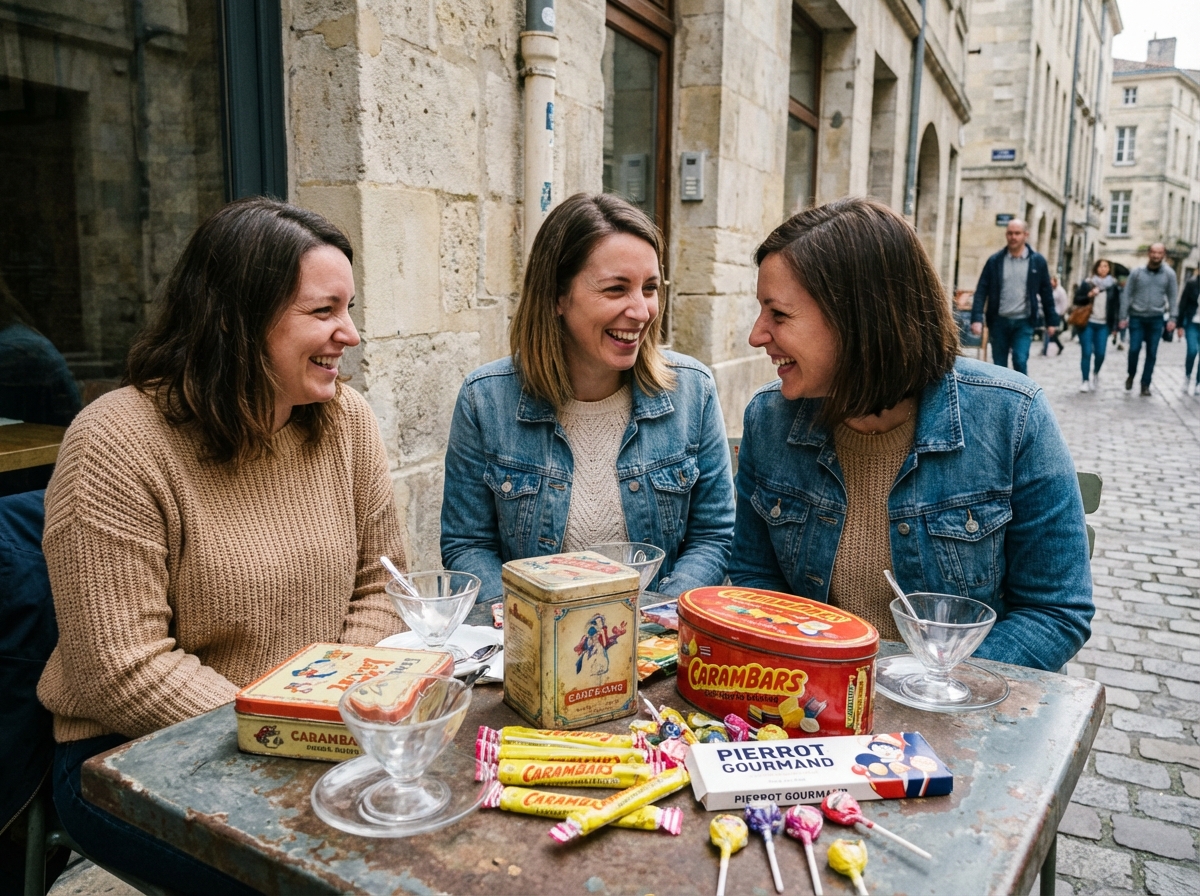
Where to find these retro sweets today and how are they made?
For lovers of bygone pleasures, certain places remain must-visit spots. In Montélimar, the Palace of Candy, Nougat, and Memories attracts nostalgics, curious to explore museum-like rooms, admire old boxes, or taste classics updated for today. One can find the candy box, the essential anise from Flavigny, and all those landmarks that populate the collective imagination.
The making of these sweets is intriguing: between the artisan gestures of yesteryear and industrial innovation, nothing is left to chance. The choice of ingredients, the slow cooking of sugar, the addition of natural flavors or gelatin define the personality of each treat. Haribo, a brand founded in 1920 in Bonn, now produces over a thousand variations across sixteen sites in Europe, employing more than seven thousand people. The brand multiplies innovations (notably gelatin-free candies to meet dietary restrictions) while relying on recipes that have become benchmarks, such as the Gold Bears.
France cherishes its classics: Carpentras berlingots, Flavigny anise candies. In a few workshops scattered across Provence or Cambrai, sugar is still worked by hand, perpetuating gestures that will likely survive trends. Each box, each bag tells the attachment to these memories, balancing absolute fidelity to tradition and the desire for novelty.
Sometimes, it only takes opening a packet for a whole suspended past to come rushing back. The colors, the laughter, and those childhood flavors suddenly resurface. Who would have thought that a simple candy, even a tiny one, had such power?